
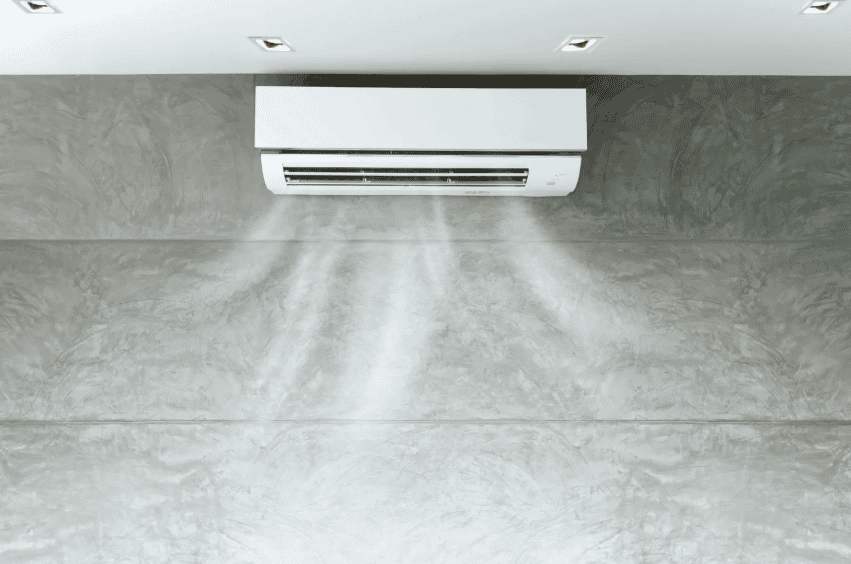
West Michigan winters are long, cold, and mostly spent indoors. From November through March, most Grand Rapids homeowners keep their windows shut tight and their furnaces running around the clock. That creates the perfect environment for indoor air pollution to build up quietly, often without homeowners realizing it.
Indoor air can be two to five times more polluted than outdoor air, according to the EPA. In a tightly sealed home during a Michigan winter, that number can climb even higher. Common culprits include dust, pet dander, mold spores, volatile organic compounds from cleaning products, and excess humidity or dryness that aggravates respiratory conditions.
The good news is that improving indoor air quality does not require a complete home renovation. With a few targeted upgrades and habits, you can breathe cleaner, healthier air all winter long. Grapids Home Services helps Grand Rapids homeowners address indoor air quality issues at every level, from simple filter swaps to whole-home ventilation systems.
Why Indoor Air Quality Matters in West Michigan Winters
When temperatures drop and homes seal up, fresh air exchange drops to almost nothing. Your heating system recirculates the same stale indoor air for months at a stretch. That means allergens, dust, and microscopic pollutants accumulate to levels that outdoor breezes normally dilute. People with asthma, allergies, or other respiratory sensitivities often feel the effects most acutely during this season.
Grand Rapids sits in a region with high humidity in summer and extremely dry indoor air in winter. When your furnace runs constantly, it strips moisture from the air, dropping indoor relative humidity to 20 percent or lower. At that level, nasal passages dry out, skin becomes irritated, and viruses tend to survive and spread more easily.
Beyond dryness, West Michigan homes face challenges from basements with moisture issues, older ductwork that collects dust and mold, and neighborhoods near highways or industrial areas where outdoor particles work their way inside through every gap in the building envelope.
Change Your Air Filter Regularly
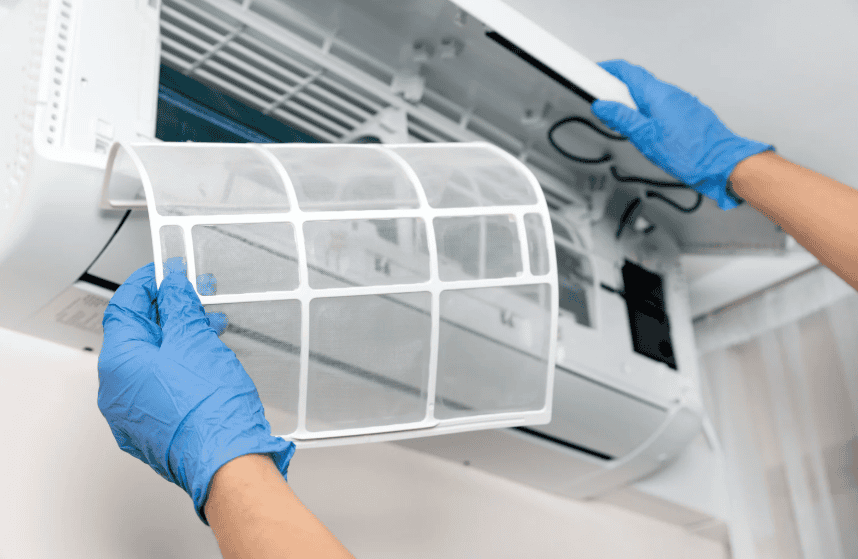
The single easiest thing you can do to improve indoor air quality is replace your HVAC filter on schedule. Most standard 1-inch filters should be replaced every 30 to 60 days during heavy heating season. In a Michigan winter, your furnace runs nearly continuously, so err toward the shorter end of that range.
A dirty filter does not just reduce air quality. It also forces your furnace to work harder, shortening its lifespan and increasing energy bills. If you notice more dust on surfaces shortly after cleaning, or if family members are experiencing more frequent headaches or allergy symptoms, an overdue filter change is often the first thing to check.
For households with allergy sufferers, consider upgrading to a MERV 11 or MERV 13 rated filter. These capture finer particles like pollen, pet dander, and some bacteria while still allowing adequate airflow through a properly sized system. Check with your HVAC technician before upgrading, since very high MERV filters can restrict airflow in systems not designed for them.
Add or Upgrade Your Whole-Home Humidifier
Low humidity is one of the most common indoor air quality complaints in Grand Rapids during the winter months. Portable room humidifiers help in individual rooms, but they require constant refilling, create condensation issues if overused, and leave the rest of the house unaddressed.
A whole-home humidifier installed directly on your HVAC system solves all of these problems. It draws water from your home’s plumbing supply and distributes properly humidified air throughout every room as your furnace runs. You set a target humidity level once, and the system maintains it automatically without any daily intervention.
Proper humidity levels reduce static electricity, protect wood floors and furniture from cracking, make the air feel warmer at lower thermostat settings, and reduce the survival time of airborne viruses. Most HVAC professionals recommend keeping indoor humidity between 35 and 45 percent during winter for optimal comfort and health benefits.
Control Excess Moisture and Prevent Mold
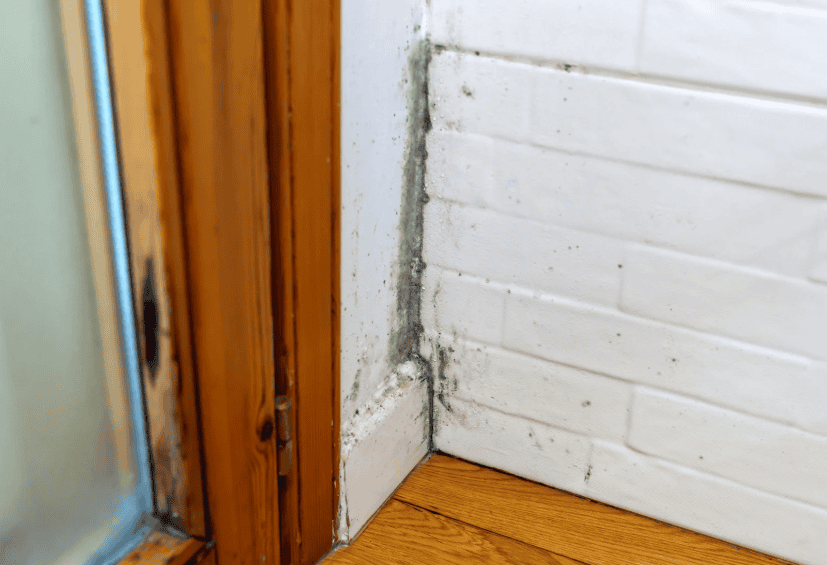
While dry air is the most common complaint during Michigan winters, some areas of the home, particularly basements and crawl spaces, can harbor excess moisture even when the rest of the house feels parched. This moisture creates ideal conditions for mold growth, and mold spores recirculating through your ductwork can cause serious indoor air quality problems.
Signs of excess moisture include a musty smell in the basement, visible condensation on windows or pipes, or dark spots on drywall or wood framing. If your basement feels damp even in January, a dehumidifier solution may be warranted. Addressing the moisture source, whether a foundation crack, poor grading, or a missing vapor barrier, is always the first step.
Grapids Home Services provides professional dehumidifier installation and service for homes throughout Kent and Ottawa counties. Addressing basement moisture not only improves air quality but also protects your home’s structure and reduces the risk of costly mold remediation down the road.
Improve Ventilation Without Losing Heat
Traditional wisdom says to open windows for fresh air, but that is not practical in a Grand Rapids January. The solution is mechanical ventilation that brings in fresh air while recovering most of the heat from the outgoing stale air.
An energy recovery ventilator, or ERV, is a device that installs in your ductwork and continuously exchanges indoor and outdoor air. As stale air exits, the ERV captures up to 80 percent of its heat and transfers it to the incoming fresh air stream. The result is continuous ventilation with minimal energy penalty, which is a meaningful benefit given West Michigan heating costs.
If an ERV is not in the budget right now, you can improve ventilation by running bathroom and kitchen exhaust fans more consistently, especially while cooking or showering. These fans pull moisture and pollutants directly out of the areas where they are generated most heavily, which reduces the load on your HVAC filtration system.
Keep Your Ductwork Clean and Sealed
Your home’s ductwork is the delivery system for everything that circulates through your HVAC system: warm air, cool air, and unfortunately, dust, mold spores, and other contaminants if the system goes unmaintained. Leaky or dirty ducts can significantly undermine the indoor air quality improvements you make elsewhere.
Duct sealing addresses leaks that allow conditioned air to escape into unconditioned spaces like attics and crawl spaces, while also preventing contaminants from entering the air supply through those same gaps. In older Grand Rapids homes, duct systems were often installed without mastic sealant or foil tape, leaving significant air leakage.
Not every home needs duct cleaning on a regular schedule, but it is worth considering if you have recently completed a renovation, moved into an older home, or if you notice musty odors when the heat first kicks on. A visual inspection during an HVAC service call can help determine whether cleaning is genuinely needed.
Use Air Purifiers and UV Systems
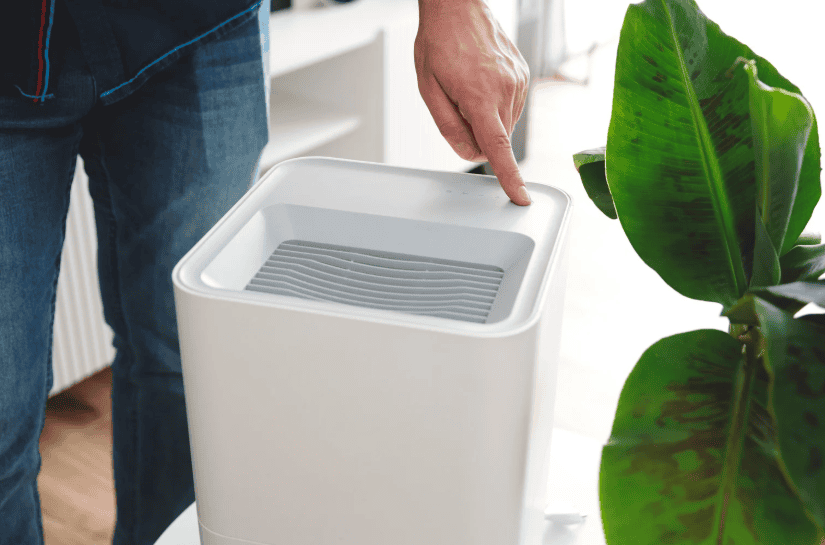
For households with severe allergies, asthma, or immune-compromised family members, adding a whole-home air purification system to your HVAC can make a significant difference. These systems go well beyond standard filtration by actively targeting pathogens and ultrafine particles that even high-MERV filters may miss.
UV light systems install inside the air handler and use ultraviolet germicidal irradiation to kill bacteria, mold spores, and viruses as air passes through. They are particularly effective at preventing mold growth on the evaporator coil, which is a common problem in humid climates. Once installed, they operate silently in the background with minimal maintenance beyond an annual bulb replacement.
Whole-home electronic air cleaners, also called polarized media systems, use an electrical charge to capture particles as small as 0.1 microns. These systems remove tobacco smoke, fine dust, and other ultrafine particles that pass right through standard filters, making them an excellent option for households where standard filtration is not providing enough relief.
Reduce Indoor Pollution Sources
Improving ventilation and filtration helps, but reducing what you introduce into the air is equally important. Many common household products release volatile organic compounds, or VOCs, into the air. These include paints, varnishes, cleaning products, aerosol sprays, and even some scented candles and air fresheners.
During winter, when your home is tightly sealed, switch to fragrance-free or low-VOC cleaning products. Avoid using aerosol sprays indoors. If you are doing any painting or flooring work during the winter months, ensure adequate temporary ventilation and choose low-VOC materials whenever possible.
Combustion appliances like gas stoves and fireplaces are another significant source of indoor pollutants. Always use the range hood fan when cooking on a gas stove, and have your fireplace inspected and cleaned annually to ensure combustion byproducts vent properly. Carbon monoxide detectors are essential in any home with gas appliances or an attached garage.
When to Call a Professional for Indoor Air Quality Help
Some indoor air quality issues are straightforward enough to address on your own, such as changing filters and adding a portable humidifier. But others require professional assessment and equipment to resolve properly.
Call Grapids Home Services if you notice any of the following: persistent musty or chemical odors even after cleaning, family members experiencing unexplained respiratory symptoms or frequent headaches, visible mold anywhere in the HVAC system or ductwork, or humidity readings that remain consistently outside the recommended range despite your efforts.
Grapids Home Services provides indoor air quality solutions throughout Grand Rapids, Wyoming, Kentwood, Grandville, Jenison, Lowell, and communities across Kent and Ottawa counties. Our licensed technicians can assess your current setup, identify the root causes of any air quality concerns, and recommend targeted solutions that fit your home and your budget.
Frequently Asked Questions
What is a good indoor humidity level for a Grand Rapids home in winter?
The EPA and most HVAC professionals recommend keeping indoor relative humidity between 30 and 50 percent. During West Michigan winters, homes often drop to 20 percent or lower without a whole-home humidifier. Staying in the 35 to 45 percent range helps reduce static electricity, protects wood furnishings, and reduces the spread of airborne viruses.
How often should I change my HVAC filter in winter?
During winter in Grand Rapids, when your furnace runs almost continuously, plan to check your filter every 30 days. Standard 1-inch fiberglass filters may need replacement that often. Higher-MERV media filters can sometimes go 60 to 90 days, but check them monthly regardless. A clogged filter restricts airflow and forces your system to work harder.
Can my HVAC system spread mold throughout the house?
Yes. If mold grows on the evaporator coil, in the ductwork, or near any moisture source connected to the system, the air handler can distribute spores throughout every room. Signs include musty odors when the heat runs or worsening allergy symptoms throughout the home. A UV light system installed in the air handler is one of the most effective ways to prevent mold growth on HVAC components.
What is the difference between an air purifier and a humidifier?
These solve different problems. A humidifier adds moisture to dry indoor air, which is important in West Michigan winters when heating systems strip humidity from the air. An air purifier removes airborne particles, allergens, bacteria, and VOCs from the air. Many homes benefit from both, as dry air and contaminated air are separate but related issues during Michigan heating season.
Is professional duct cleaning worth it?
Duct cleaning is not necessary for every home every year, but it makes sense in certain situations: after a major renovation, when moving into an older home with unknown maintenance history, after discovering rodent or insect activity in the ductwork, or when musty odors persist despite other air quality measures. A licensed HVAC contractor can inspect your ducts and give you an honest assessment.
How do I know if my indoor air quality is poor?
Common signs include frequent headaches, fatigue, or allergy symptoms that are worse indoors than outside, persistent musty or chemical odors, excess dust on surfaces shortly after cleaning, dry skin and irritated eyes during winter, and condensation or frost on interior windows. A professional indoor air quality assessment can pinpoint the specific causes and help you prioritize the most effective solutions.
About Grapids Home Services
Grapids Home Services has been helping Grand Rapids and West Michigan homeowners keep their homes comfortable and running smoothly with expert plumbing and HVAC services. From indoor air quality solutions and whole-home humidifiers to furnace service, air conditioning, and comprehensive plumbing, our licensed team brings the experience and local knowledge that West Michigan homeowners trust. We serve Grand Rapids, Wyoming, Kentwood, Grandville, Jenison, Lowell, and communities throughout Kent and Ottawa counties.
Call Grapids Home Services at (616) 210-3456 to schedule service today.