

If you’re shopping for a new central air conditioner or heat pump in Greater Grand Rapids, one of the first numbers you’ll encounter is the SEER rating. It shows up on every unit, it affects your utility bills for years to come, and it can be surprisingly confusing when you’re comparing models side by side. Understanding what SEER means and which number makes sense for your home is one of the best decisions you can make before investing in new cooling equipment.
West Michigan summers are warm and humid, with temperatures routinely climbing into the 80s and occasionally the 90s. That level of heat, combined with the moisture that rolls off Lake Michigan, puts real demand on residential cooling systems throughout Kent and Ottawa counties. Choosing the right efficiency level helps your system handle those peak days without running up your energy bills unnecessarily.
At Grapids Home Services, we walk Grand Rapids homeowners through this decision every cooling season. This guide breaks down what SEER ratings mean, how the newer SEER2 standard fits in, and how to choose a number that balances upfront cost with long-term savings for your specific home.
What Is a SEER Rating?
SEER stands for Seasonal Energy Efficiency Ratio. It measures how efficiently an air conditioner or heat pump removes heat from your home over an entire cooling season. A higher SEER means the system uses less electricity to deliver the same amount of cooling, which translates directly into lower monthly utility costs.
The calculation works like this: take the total cooling output delivered during the season (measured in BTUs) and divide it by the total electrical energy consumed (measured in watt-hours). A unit rated at SEER 18, for example, is roughly 20 percent more efficient than one rated at SEER 15.
Think of SEER the way you think about miles per gallon in a car. A higher number means you’re getting more out of every unit of fuel. And just like with a car, how you operate your home affects real-world results.
SEER vs. SEER2: What Changed in 2023?
Starting January 1, 2023, the U.S. Department of Energy adopted a new testing standard called SEER2. The “2” refers to an updated lab test that uses a higher external static pressure during testing, which more closely mirrors real-world installation conditions in homes with ductwork.
Because SEER2 testing is more demanding, the numbers come out slightly lower than the old SEER figures for the same equipment. A unit rated at SEER2 14.3 is roughly equivalent to a SEER 15 unit under the old standard. When you’re comparing equipment specs or quotes from contractors, it’s important to know which standard is being cited.
For West Michigan homeowners, this means new equipment purchased and installed after 2023 will display a SEER2 rating on its label. If you’re comparing an older unit to a new one, or comparing quotes from different contractors, confirm whether each figure is SEER or SEER2 so you’re evaluating them on equal footing.
Federal Minimums for West Michigan
The DOE divides the country into climate regions for minimum efficiency standards. Michigan falls in the North region, where the federal minimum for new central air conditioners as of 2023 is SEER2 13.4 (equivalent to about SEER 14). Any new unit installed in Greater Grand Rapids must meet or exceed this baseline.
This minimum exists to protect consumers from inefficient equipment and to reduce overall energy demand. Meeting the minimum is legal, but it doesn’t mean it’s the best choice for your household. In a climate like West Michigan’s, where you’re running the AC regularly from June through August, a minimum-efficiency unit often leaves significant energy savings on the table.
Utility costs in the Grand Rapids area, served largely by Consumers Energy, continue to rise over time. Choosing a unit significantly above the minimum can offset those increases and protect your budget in future years.
Common SEER2 Ranges and What They Mean
Understanding the efficiency tiers available helps you compare options clearly.
SEER2 13.4 to 14 represents the baseline tier. These units meet federal requirements and cost less upfront, but they carry higher operating costs over time. They work acceptably in homes with minimal cooling loads or in situations where the homeowner does not plan to be in the home long term.
SEER2 15 to 17 is the mid-efficiency range and the most popular tier for Greater Grand Rapids homes. The upfront cost increase over minimum-efficiency units is moderate, and the energy savings over a 10 to 15-year equipment lifespan often justify the difference. This range offers reliable comfort on the hottest summer days without an enormous premium.
SEER2 18 and above represents premium efficiency. These units are quieter, often include variable-speed or two-stage compressors, and deliver the best long-term energy savings. They make the most sense in larger homes, homes that run the AC heavily, or for homeowners planning to stay in place for a decade or more.
For homes exploring heat pump services, efficiency ratings work similarly, with the added benefit that a heat pump also covers your heating needs in a single efficient unit.
How SEER2 Affects Your Monthly Utility Bills
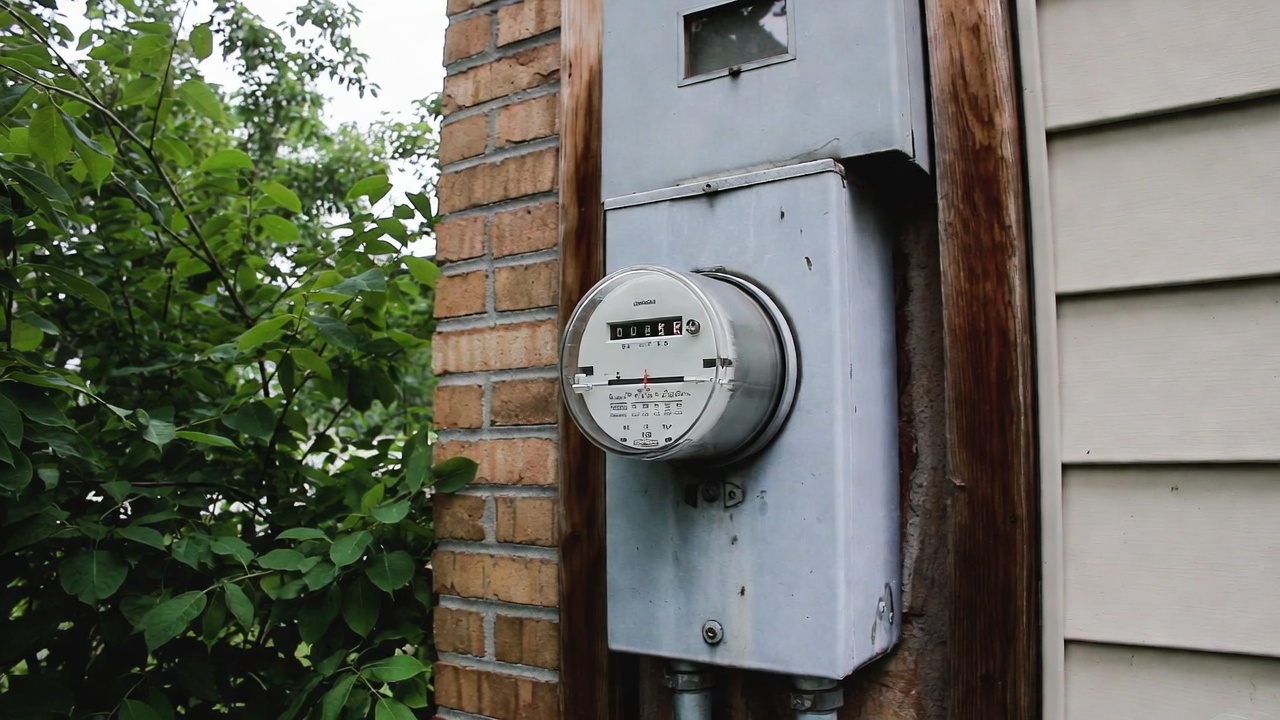
Let’s put this into concrete numbers for a typical Greater Grand Rapids home. A 3-ton central AC system running a conservative 1,200 hours per cooling season provides a useful comparison.
At SEER2 13.4, a 3-ton unit consumes roughly 3,200 watts per hour of full-load operation. At SEER2 16, the same cooling output requires about 15 to 20 percent less electricity. For a home paying around $0.16 per kilowatt-hour, the annual savings can reach $80 to $150 per year depending on usage patterns.
Over a 15-year system lifespan, that gap can total $1,200 to $2,000 in electricity savings. Combined with any available rebates from Consumers Energy or federal tax credits for high-efficiency equipment, mid-to-high SEER2 units frequently offer a strong return on investment for West Michigan homeowners.
Your air conditioning services contractor should be able to provide a rough payback calculation based on your specific home size, insulation quality, and typical usage hours.
Factors That Influence the Right SEER2 for Your Home
No single SEER2 number is right for every home. Several factors affect which efficiency level makes sense for your specific situation.
Your home’s size and insulation quality play a major role. A well-insulated home in Grandville or Jenison retains cool air more effectively, which means the AC cycles less frequently and the efficiency advantage of a higher-SEER unit is even more pronounced. A poorly insulated older home in Lowell or Wyoming may lose cool air faster, reducing the real-world benefit of premium equipment until air sealing and insulation are addressed.
How long you plan to stay in the home matters too. If you’re planning to sell within three to five years, a mid-efficiency unit may make more financial sense than a top-tier system. If you’re in for the long haul, a higher-efficiency unit pays back its premium more fully over time.
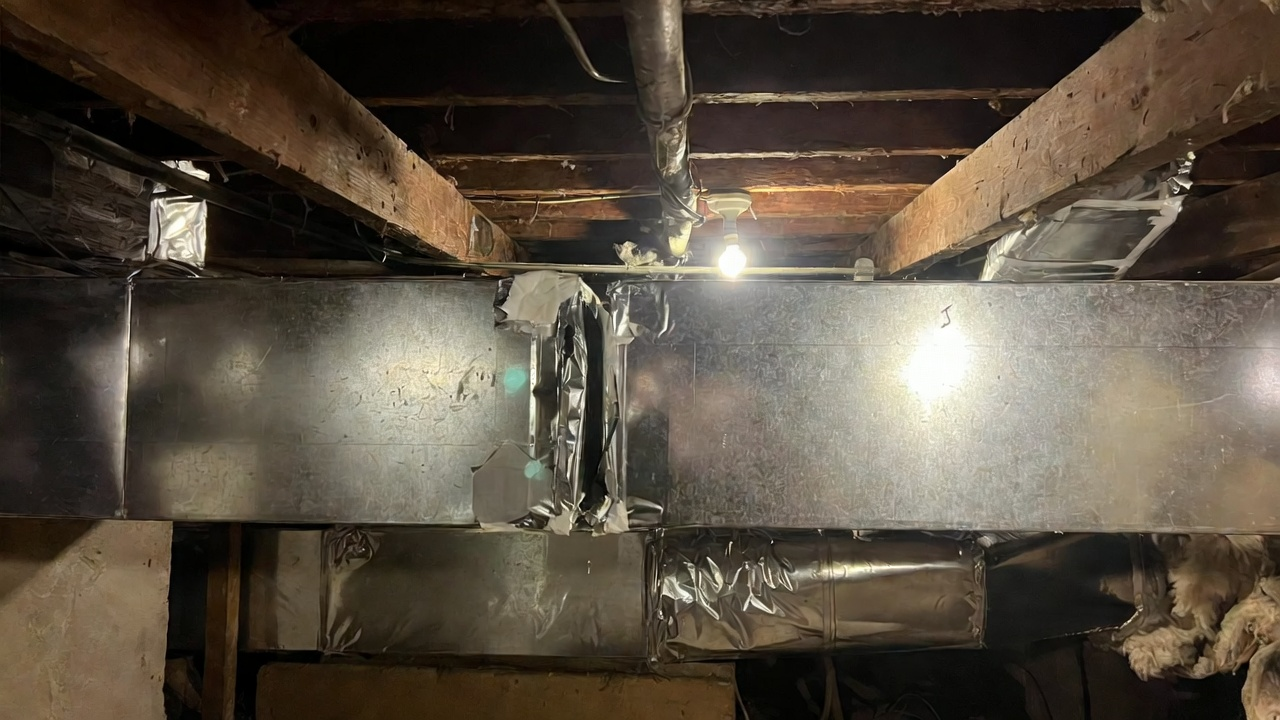
Your existing ductwork also matters. A high-SEER2 unit connected to leaky or undersized ducts won’t perform to its rated efficiency. Before upgrading equipment, a duct inspection is worth doing to ensure the system can actually deliver on its promise. For homes without existing ductwork, mini split services offer ductless options with SEER2 ratings well above most central systems.
Variable-Speed and Two-Stage Systems
Higher SEER2 ratings often come paired with variable-speed or two-stage compressor technology, which changes how the system operates compared to a basic single-stage unit.
A single-stage system operates at full capacity whenever it’s running. On a mild 75-degree day, it blasts full power, cools quickly, and shuts off, creating temperature swings and humidity spikes between cycles.
A two-stage or variable-speed system can run at lower capacity during mild conditions and ramp up only when needed. This means longer, gentler cycles that keep humidity low, temperature steady, and operating costs minimized. For West Michigan summers, where humidity can be as uncomfortable as the heat itself, the dehumidification advantage of variable-speed systems is a real quality-of-life improvement.
These systems pair well with a smart thermostat and are a popular upgrade available through licensed HVAC services contractors serving Kent and Ottawa counties.
When to Call a Professional
Choosing the right SEER2 rating isn’t just a product decision. It requires a proper load calculation, a duct inspection, and an honest conversation about your home’s insulation and usage patterns. Installing an oversized high-efficiency unit in a small, well-insulated home can actually reduce comfort and efficiency because the system short-cycles before adequately dehumidifying the air.
If you’re replacing an aging central AC in Greater Grand Rapids or preparing for the next cooling season, the team at Grapids Home Services can walk you through every option. Our licensed HVAC technicians perform proper Manual J load calculations, inspect existing ductwork, and recommend equipment that fits your home and budget rather than just meeting a spec sheet. Call Grapids Home Services at (616) 210-3456 to schedule a free equipment consultation today.
Frequently Asked Questions
What is a good SEER2 rating for a home in Greater Grand Rapids?
For most homes in West Michigan, a SEER2 rating between 15 and 17 offers the best balance of upfront cost and long-term energy savings. Larger homes, homes with high cooling loads, or homeowners planning to stay for 10-plus years may find that SEER2 18 or higher provides a strong payback.
Is SEER2 the same as SEER?
No. SEER2 uses a stricter testing methodology introduced in 2023 that better reflects real-world installation conditions. A SEER2 rating will appear slightly lower than the old SEER rating for the same unit. When comparing quotes, confirm which standard each number refers to.
What is the minimum SEER2 required in Michigan?
Michigan falls in the North climate region, where the federal minimum for new central air conditioners is SEER2 13.4 as of January 2023. Any new unit installed in Greater Grand Rapids must meet or exceed this threshold.
Does a higher SEER2 rating always mean lower energy bills?
Generally yes, but real-world savings depend on your home’s insulation, ductwork quality, thermostat settings, and how many hours you run the system each year. A high-SEER2 unit in a leaky, uninsulated home may underperform a mid-efficiency unit in a well-sealed home.
Are there rebates available for high-efficiency AC units in Grand Rapids?
Yes. Consumers Energy offers rebates for qualifying high-efficiency central air conditioners and heat pumps. Federal tax credits under the Inflation Reduction Act may also apply for systems meeting certain efficiency thresholds. Ask your HVAC contractor for current rebate details before purchasing.
How long does a high-SEER2 air conditioner last?
With proper maintenance, most quality central AC units last 15 to 20 years regardless of their efficiency rating. Higher-end units often include more durable components, which can contribute to longer lifespans. Annual tune-ups and filter changes help any system reach its full service life.
About Grapids Home Services
Grapids Home Services has been helping Grand Rapids and West Michigan homeowners keep their homes comfortable and running smoothly with expert plumbing and HVAC services. From air conditioning installation and replacement to furnace service, heat pump installation, and comprehensive plumbing, our licensed team brings the experience and local knowledge that West Michigan homeowners trust. We serve Grand Rapids, Wyoming, Kentwood, Grandville, Jenison, Lowell, and communities throughout Kent and Ottawa counties.
Call Grapids Home Services at (616) 210-3456 to schedule service today.