
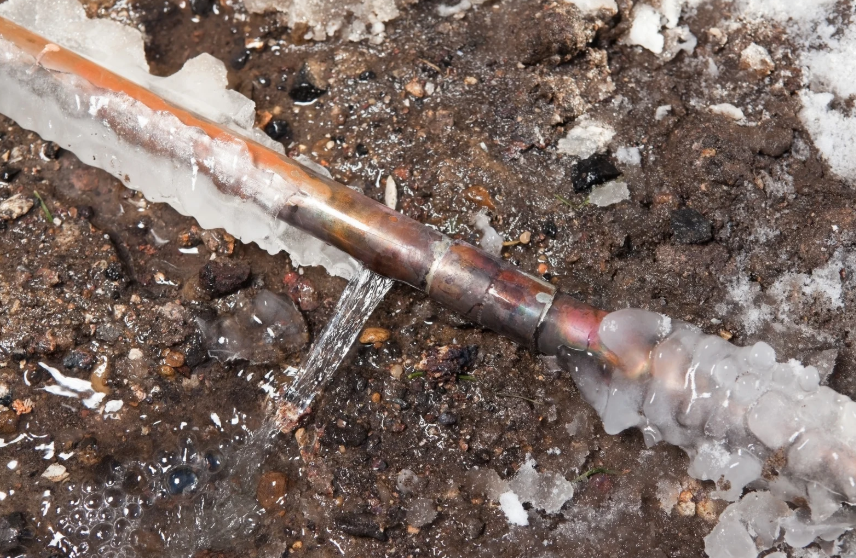
West Michigan winters are no strangers to deep cold. With temperatures in Grand Rapids regularly dropping into the single digits and wind chills pushing well below zero, the plumbing inside your home faces real stress every season. Frozen pipes are one of the most common and costly winter plumbing emergencies in the region, and the damage they cause can often be prevented with a few simple steps taken before the temperatures drop.
At Grapids Home Services, we respond to frozen and burst pipe calls throughout the Grand Rapids area every winter. We have seen firsthand which homes are most vulnerable and which prevention strategies work best for West Michigan’s climate. This guide covers everything you need to know to protect your pipes this season.
If you already have a plumbing emergency or suspect a pipe has frozen or burst, call us at (616) 210-3456 for same-day service across Kent and Ottawa counties.
Why Frozen Pipes Are a Serious Risk in West Michigan
Grand Rapids and the surrounding West Michigan region experiences some of the harshest winter weather in the Midwest. Average January lows sit around 17 degrees Fahrenheit, and multi-day cold snaps with temperatures in the single digits or below zero are common. These conditions create ideal circumstances for pipes to freeze, especially in older homes, poorly insulated crawl spaces, and homes with plumbing routed near exterior walls.
When water inside a pipe freezes, it expands by roughly 9 percent. That expansion creates pressure that can split copper, galvanized steel, or PVC pipes from the inside out. The real damage often occurs not when the pipe freezes, but when it thaws. As the ice melts, pressurized water rushes through the crack, and a burst pipe can discharge dozens of gallons per minute into your walls, floors, or ceilings.
The Insurance Institute for Business and Home Safety estimates that a burst pipe can cause tens of thousands of dollars in property damage. For West Michigan homeowners, taking a few preventive steps before each winter season is one of the smartest investments you can make in your home.
Know Which Pipes Are Most Vulnerable
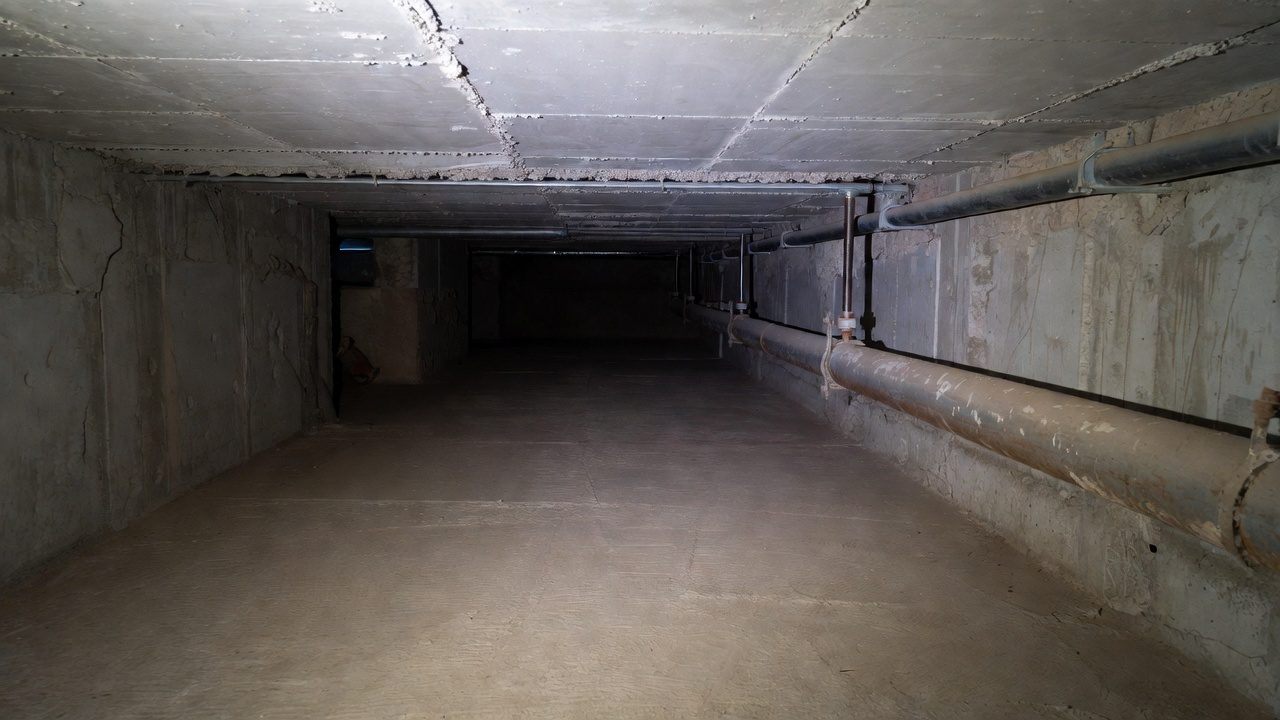
Not all pipes carry the same risk of freezing. Understanding which areas of your home are most vulnerable helps you focus your prevention efforts where they matter most.
- Exterior walls: Pipes running through walls that face outside, particularly on the north or northwest side of a home, have less insulation between them and the outdoor air. This is especially common in older Grand Rapids construction.
- Crawl spaces: Unheated crawl spaces beneath older West Michigan homes are among the most common locations for frozen pipes. Cold air moves freely through vents and gaps, surrounding supply lines with near-outdoor temperatures.
- Attached garages: Water supply lines routed through an attached garage are highly vulnerable during extended cold snaps.
- Attics: Pipes routed through an attic to supply fixtures on upper floors can freeze quickly when attic temperatures drop with the outdoor air.
- Basement rim joists: The area where your floor framing meets the foundation wall is often a source of cold air infiltration, and pipes running nearby are at risk.
Insulate Exposed Pipes Before Winter Hits
Pipe insulation is inexpensive, easy to install, and one of the most effective defenses against frozen pipes. Foam pipe sleeves are available at any hardware store and slip directly over supply lines in crawl spaces, basements, garages, and other unconditioned spaces.
For pipes in especially exposed locations, such as those running along the interior side of an exterior wall in an unheated garage, consider wrapping them with electric heat tape or cable before adding foam insulation over the top. Heat tape provides a small, consistent amount of warmth along the pipe surface, which is often enough to prevent freezing during even the coldest nights.
When insulating, pay close attention to any gaps or penetrations in the rim joist area of your basement. Air sealing these areas with spray foam or rigid foam insulation reduces cold air intrusion and benefits your entire home’s energy efficiency, not just your plumbing.
If your home has a crawl space with open foundation vents, consider installing foam vent covers during winter months to reduce cold air circulation around pipes. Homes in Grand Rapids, Wyoming, and Kentwood built before 1980 are particularly likely to have vulnerable crawl space configurations.
Keep Your Home at a Consistent Temperature
One of the simplest and most reliable ways to prevent frozen pipes is maintaining a consistent indoor temperature throughout winter, even when you are away from home.
The American Red Cross recommends keeping your thermostat set to no lower than 55 degrees Fahrenheit at all times during cold weather. For most West Michigan homeowners, setting the thermostat between 60 and 65 degrees while away provides adequate protection without driving up heating bills excessively.
Avoid the temptation to significantly lower your thermostat overnight or while on vacation. The cost of heating your home to 60 degrees for a week away is trivial compared to the cost of repairing a burst pipe and the water damage it causes. A smart thermostat can help you maintain safe temperatures remotely while still managing energy costs efficiently.
Also keep interior doors open during cold snaps, particularly cabinet doors beneath kitchen and bathroom sinks on exterior walls. Allowing warm air to circulate around pipes under sinks can prevent freezing in areas that are often overlooked.
Let Faucets Drip During Extreme Cold
When temperatures fall below zero, plumbers across West Michigan recommend allowing faucets connected to vulnerable pipes to drip slowly. Even a small trickle of water moving through a pipe relieves the pressure buildup that causes pipes to burst when freezing occurs.
Focus on faucets served by pipes running through exterior walls, garages, or crawl spaces. Both the hot and cold water sides should drip, since both lines can freeze. The drip does not need to be a full stream. A slow, steady drip is enough to make a difference.
This practice adds a small amount to your water bill but provides real protection during a cold snap. As temperatures return to a safer range, you can turn the faucets back to their normal position.
Disconnect and Drain Outdoor Hoses and Spigots
Outdoor hose bibs are a frequently overlooked source of frozen pipe damage. If a garden hose is left connected to an outdoor spigot, water trapped in the hose and the section of pipe behind the spigot can freeze, pushing ice backward into the supply line inside your home.
Before the first hard freeze of the season, disconnect all garden hoses from outdoor spigots and store them in a garage or shed. Turn off the interior shutoff valve that controls each outdoor spigot and open the spigot to drain any remaining water from the line. For additional protection, install foam spigot covers over outdoor faucets.
If your home has frost-free sillcocks, the shutoff mechanism is already located inside the wall where it is protected from outdoor temperatures. However, these still require the hose to be disconnected, since water can back up against the shutoff valve if a hose is attached.
Know Where Your Main Water Shutoff Is
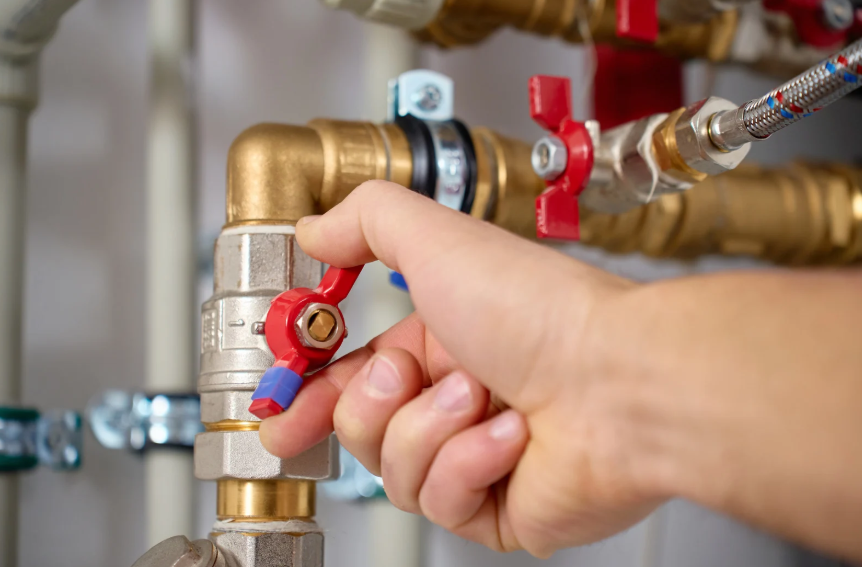
Even with the best prevention in place, pipes can still freeze and burst during an unusually severe West Michigan winter. Knowing where your main water shutoff valve is located and how to operate it quickly can dramatically reduce the damage caused by a burst pipe.
In most Grand Rapids-area homes, the main shutoff valve is located near the water meter, typically in the basement or a utility room near the front of the house. Take a moment before winter to locate yours, confirm it operates freely, and make sure every adult in your household knows where it is.
If you turn on a faucet and no water comes out during a cold snap, or if you hear a rushing sound inside the walls, act immediately. Turn off the main water supply and call for emergency plumbing service right away. The faster you respond, the less water damage your home will suffer.
Additional Prevention Tips for West Michigan Homeowners
Beyond the core prevention strategies above, a few extra steps can provide added protection for your home’s plumbing throughout the winter season.
- Schedule a plumbing inspection before winter: A licensed plumber can identify vulnerable pipes, check for existing slow leaks or corrosion, and recommend insulation or pipe rerouting in high-risk areas. Contact Grapids Home Services for a pre-winter plumbing checkup.
- Add a whole-home water softener: West Michigan’s hard water accelerates pipe corrosion, making pipes more susceptible to failure when they freeze. A water filtration or softening system extends the life of your plumbing.
- Consider repiping older homes: If your home still has original galvanized steel pipes, they are more prone to freezing and corrosion than modern copper or PEX. Repiping your home before a crisis happens is the most comprehensive long-term fix.
- Install a leak detection device: Smart leak detectors placed near vulnerable pipes can alert you immediately via your phone when moisture is detected, giving you time to respond before a small drip becomes a flood.
- Keep a space heater accessible: A small electric space heater can be temporarily positioned to warm a crawl space access door or a cabinet under a sink during extreme cold. Never use propane or other combustion heaters in enclosed spaces.
What to Do If a Pipe Freezes
If you turn on a faucet and get little or no water flow during a cold snap, a pipe in your home may already be frozen. Acting quickly can prevent a burst and the major water damage that follows.
First, turn off the water supply to the frozen section or, if you cannot locate an individual shutoff, turn off the main water supply. This limits the damage if the pipe has already cracked. Next, gently apply heat to the frozen section using a hair dryer, electric heating pad, or warm towels. Work from the faucet end toward the area you suspect is frozen, allowing melting ice to flow out through the open faucet. Never use an open flame, propane torch, or heat gun, as these can damage the pipe and create a fire risk.
If you cannot locate the frozen section, if the pipe is inside a wall or under the floor, or if you hear running water when the supply is turned back on, call a licensed plumber immediately. Grapids Home Services offers emergency plumbing service throughout Grand Rapids, Wyoming, Kentwood, Grandville, Jenison, Walker, and the greater West Michigan area.
Frequently Asked Questions
At what temperature do pipes freeze in West Michigan homes?
Pipes begin to freeze when the surrounding air temperature drops to around 20 degrees Fahrenheit, though the actual freezing point depends on insulation, water flow, and pipe location. In West Michigan, where extended cold snaps regularly push temperatures below zero, uninsulated pipes in crawl spaces, garages, and exterior walls are especially vulnerable. Pipes inside heated interior walls are generally safe down to much lower temperatures.
How can I tell if a pipe has burst in my West Michigan home?
Common signs include a sudden loss of water pressure, no water flow from one or more faucets, the sound of water running inside walls when no fixtures are in use, water stains or wet spots on ceilings, walls, or floors, and a significant spike in your water bill. If you notice any of these signs after a cold snap, turn off your main water supply and call Grapids Home Services right away.
Does homeowners insurance cover frozen pipe damage in Michigan?
Most standard homeowners insurance policies in Michigan cover sudden and accidental water damage caused by burst pipes, including pipes that freeze and burst due to cold weather. However, coverage may be denied if the insurer determines that the homeowner failed to take reasonable precautions, such as maintaining adequate heat in the home. Document your prevention efforts and keep your thermostat records for reference when filing a claim.
Should I turn off the water if I leave my Grand Rapids home for the winter?
If you plan to leave your home unoccupied for more than a few days during winter, the safest approach is to shut off the main water supply and drain the pipes by opening all faucets until water stops flowing. This eliminates the risk of a burst pipe flooding your home while you are away. If complete drainage is not practical, maintain the thermostat at a minimum of 55 degrees Fahrenheit and ask a neighbor to check your home periodically.
How much does emergency plumbing for a burst pipe cost in West Michigan?
The cost of repairing a burst pipe depends on the location of the break, how accessible the pipe is, and how much water damage occurred before the water was shut off. Basic pipe repair is relatively straightforward, but repairs involving walls, ceilings, or flooring add significant cost. Grapids Home Services can provide an accurate estimate once our team has assessed the damage in your Grand Rapids or West Michigan home.
Can I prevent frozen pipes without a plumber?
Many of the most effective prevention strategies, including insulating exposed pipes, maintaining consistent heat, letting faucets drip, and disconnecting outdoor hoses, are DIY-friendly. However, identifying and addressing structural vulnerabilities in your plumbing often benefits from a professional plumbing inspection before winter sets in.
About Grapids Home Services
Grapids Home Services is a Grand Rapids-based plumbing and HVAC company serving homeowners throughout West Michigan. From frozen pipe repairs and emergency plumbing to water heater installation and full heating and cooling systems, our licensed team delivers the expertise and local knowledge that Kent and Ottawa county residents rely on. We serve Grand Rapids, Wyoming, Kentwood, Grandville, Jenison, Walker, East Grand Rapids, Lowell, Rockford, and communities across the greater West Michigan area.
Call Grapids Home Services at (616) 210-3456 to schedule service today.