
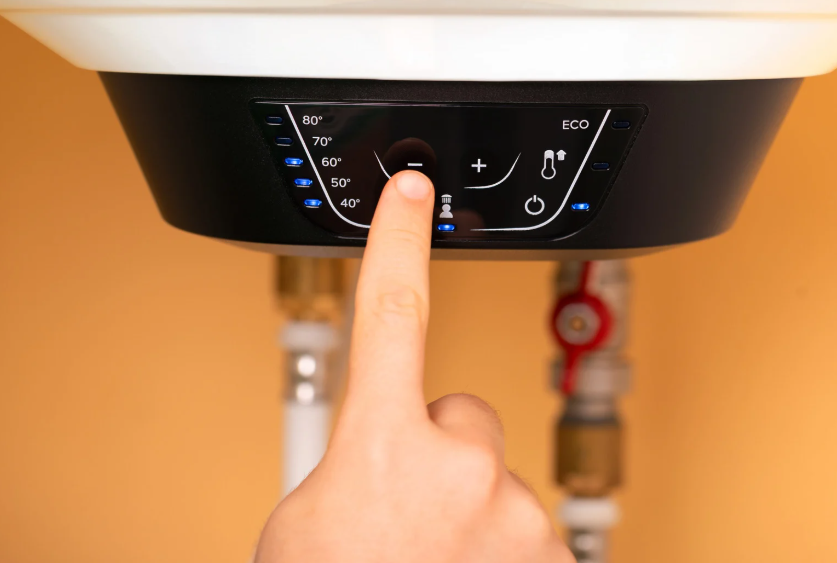
If you have been hearing a popping, rumbling, or crackling sound coming from your water heater, you are not alone. Thousands of West Michigan homeowners deal with this exact issue every year, particularly in the Grand Rapids area where hard water minerals accelerate sediment buildup. The good news is that the popping noise itself does not always mean your water heater is about to fail. But it is a warning sign that deserves attention before it becomes a costly problem.
This guide explains the most common causes of a popping water heater, what you can do about it, and when it is time to call a professional. If you need immediate help, Grapids Home Services is your trusted local plumbing and HVAC team serving Greater Grand Rapids, Walker, and surrounding West Michigan communities.
Why Your Water Heater Makes a Popping Noise
The popping or rumbling sound you hear from your water heater is almost always caused by one thing: sediment buildup at the bottom of the tank. Over time, minerals like calcium and magnesium that are naturally present in West Michigan tap water settle to the bottom of your tank. As your water heater heats the water, steam bubbles trapped beneath the layer of sediment try to escape, creating that distinctive popping noise.
West Michigan sits in a region with moderately hard water. Grand Rapids water typically has a hardness level of around 10 to 12 grains per gallon, which accelerates mineral deposits compared to areas with softer water. This is why water heater sediment issues are especially common in homes throughout Kent County, Ottawa County, and Barry County.
Other possible causes of water heater noise include:
- Thermal expansion: As water heats and expands, pipes can make ticking or popping sounds as they shift against joists and framing.
- Loose heating element: In electric water heaters, a loose lower heating element can cause a similar popping sound.
- Condensation: In gas water heaters, cold water entering a hot tank can cause temporary condensation noises.
- Scale buildup on heating elements: Electric water heater elements can accumulate mineral scale, causing irregular heating sounds.
Is a Popping Water Heater Dangerous?
In most cases, a popping noise alone does not indicate an immediate safety hazard. However, it does signal that your water heater is working harder than it should. Sediment acts as an insulating layer between the burner and the water, causing the heating element or burner to run longer and hotter to reach your desired temperature. This leads to:
- Higher energy bills: Your water heater uses more gas or electricity to overcome the sediment barrier.
- Reduced hot water output: Sediment displaces water in the tank, giving you less usable hot water per cycle.
- Accelerated tank wear: Overheating stresses the glass lining inside the tank, shortening its lifespan.
- Potential for tank failure: In severe cases, overheating from heavy sediment can cause the tank bottom to crack or rupture.
If you also notice rusty water, a decrease in water temperature, or water pooling near the base of your heater, those are signs of a more serious problem requiring immediate plumbing service.
How to Fix a Popping Water Heater
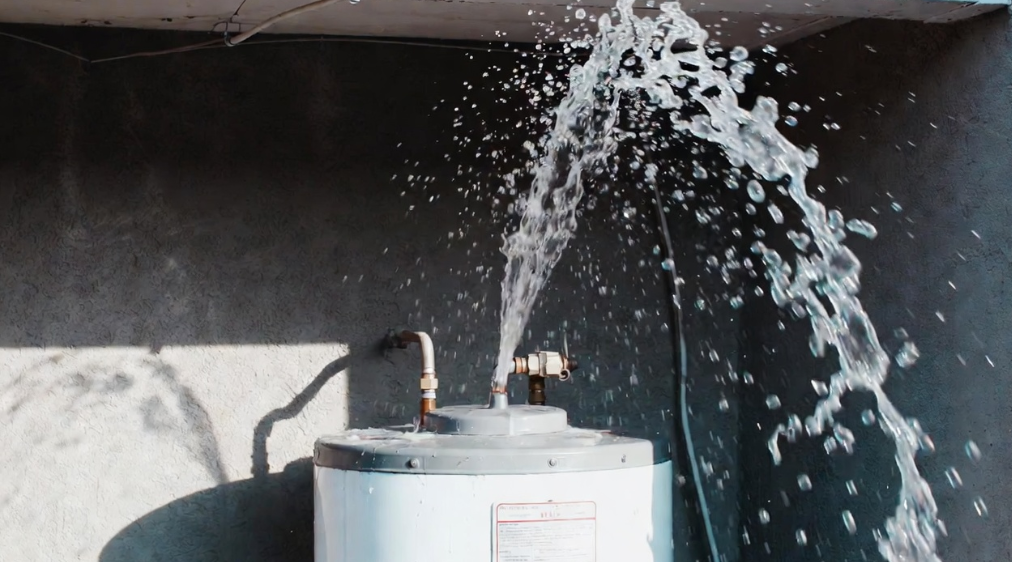
The most effective fix for a sediment-related popping noise is flushing and draining your water heater tank. This process removes the accumulated mineral deposits and restores your unit to efficient operation.
Here is a basic overview of how a professional water heater flush works:
- Turn off the power or gas supply: For electric units, switch off the circuit breaker. For gas units, turn the thermostat to the pilot setting.
- Connect a hose to the drain valve: Route the hose to a floor drain or outside. Open the pressure relief valve slightly to allow air into the tank.
- Open the drain valve: Allow the tank to drain completely. The water will appear cloudy or sandy at first as sediment exits.
- Flush with cold water: Turn on the cold water supply briefly to stir up remaining sediment and flush it out.
- Close and refill: Once the water runs clear, close the drain valve, refill the tank, and restore power.
While DIY flushing is possible, West Michigan homeowners should be cautious. Drain valves on older tanks can fail or leak after years of disuse. If your water heater is over 8 years old or has never been flushed, it is safer to have a licensed plumber handle the process. Improper draining can damage the valve or disturb sediment that then clogs the drain completely.
When to Repair vs. Replace Your Water Heater
If flushing does not resolve the popping noise, or if sediment has been allowed to build up for years, you may be looking at more significant repairs. Here is how to evaluate your options:
- Age of the unit: Standard tank water heaters last 8 to 12 years. If yours is approaching or past that range, replacement often makes more financial sense than repair.
- Energy efficiency: Newer units are significantly more efficient. A heavily sediment-laden older heater can cost 25 to 40 percent more to operate than a new model.
- Repair cost vs. replacement cost: If a repair costs more than 50 percent of a new installation, replacement is typically the better long-term investment.
- Repeated issues: If you have flushed the tank and the noise returns within a short period, the tank may have sustained internal damage from prolonged overheating.
Grapids Home Services can evaluate your water heater and provide an honest recommendation. We serve homeowners throughout Greater Grand Rapids with no-pressure assessments and upfront pricing on all plumbing repairs and installations.
Preventing Water Heater Sediment Buildup in West Michigan

The best way to avoid a popping water heater is to stay ahead of sediment accumulation. West Michigan homeowners should make water heater maintenance a regular part of their home care routine.
- Flush your tank annually: Given West Michigan’s hard water, flushing once a year helps prevent excessive buildup and extends your unit’s life.
- Install a water softener: A whole-home water softener removes calcium and magnesium before they reach your water heater, dramatically reducing sediment formation.
- Set your thermostat correctly: The EPA recommends 120 degrees Fahrenheit. Higher temperatures increase mineral precipitation and speed up sediment buildup.
- Sign up for a maintenance plan: A Grapids Home Services maintenance plan includes water heater inspections as part of annual HVAC and plumbing system checkups.
- Inspect the anode rod: The sacrificial anode rod inside your tank prevents corrosion. It should be inspected every 3 to 5 years and replaced when depleted.
What to Tell Your Plumber
When you call about a noisy water heater, having a few key details ready will help your plumber diagnose the issue faster and give you a more accurate estimate:
- Age of the water heater: Look for a label on the side of the tank. The first four digits of the serial number usually contain the manufacture date.
- Type of unit: Gas vs. electric, tank vs. tankless. If you are unsure, note whether there is a flue pipe at the top (gas) or electrical conduit (electric).
- When the noise started: Has it been gradual, or did it appear suddenly? Sudden changes can indicate a specific failure.
- Any other symptoms: Rusty water, inconsistent hot water, or visible moisture around the base of the unit.
- Last service date: When was the tank last flushed or inspected?
Frequently Asked Questions
Why does my water heater make a popping noise in the morning?
The popping noise is often louder in the morning because the water in your tank has been sitting still overnight, allowing more minerals to settle. When the burner or heating element activates to reheat the water, trapped steam pushes through the sediment layer, creating that distinctive popping or rumbling sound.
Can I ignore a popping noise from my water heater?
Ignoring it for a short time is unlikely to cause immediate damage, but over time the sediment will continue to accumulate, increasing energy costs and accelerating tank wear. If the noise has been present for more than a few weeks, scheduling a flush or inspection is the smart move.
How often should I flush my water heater in Grand Rapids, MI?
Given the moderately hard water in the Grand Rapids area, annual flushing is recommended for most homes. Homes with particularly hard water or older plumbing systems may benefit from flushing every 6 months. A water softener can extend the time between required flushes significantly.
How much does it cost to flush a water heater in West Michigan?
Professional water heater flushing in the Grand Rapids area typically costs between $75 and $150, depending on the unit age, condition, and any additional work required. If the drain valve needs replacement or repairs are needed, costs will be higher. Contact us at (616) 210-3456 for current pricing.
Does a popping noise mean my water heater is about to fail?
Not necessarily. A popping noise is most often a sign of sediment buildup rather than imminent failure. However, if the noise is accompanied by leaks, rusty water, or a significant drop in hot water output, those are more serious warning signs that warrant a professional inspection sooner rather than later.
Should I replace my water heater with a tankless model?
Tankless water heaters eliminate sediment buildup entirely since there is no standing water in a tank. They also offer significant energy savings for households with consistent hot water demand. Grapids Home Services installs and services both tank and tankless water heaters throughout West Michigan. Call (616) 210-3456 to discuss which option is right for your home.
Schedule Water Heater Service in West Michigan Today
A popping water heater is not something to put off. Sediment that builds up unchecked shortens your unit’s lifespan, raises your energy bills, and can eventually lead to a cold shower at the worst possible time. Whether you need a simple flush, a part replacement, or a full water heater installation, Grapids Home Services is ready to help.Call us today at (616) 210-3456 or contact us online to schedule service at your Greater Grand Rapids home. Our licensed plumbers serve Grand Rapids, Walker, Belding, Caledonia, Ada, and communities throughout West Michigan.